Whether you're tackling a roofing project or a major landscaping overhaul, proper debris disposal is crucial for safety and efficiency. Understanding how to load different materials like shingles and wood into a rental dumpster isn't just about maximizing space; it's about ensuring safe transport. Patriot Dump and Haul is committed to helping residents and businesses across Tampa Bay and surrounding counties manage their waste effectively and responsibly, starting with proper loading techniques.
Understanding Debris Type Specifics
The first step to a properly loaded dumpster is recognizing the distinct characteristics of the debris you're disposing of. Shingles, primarily composed of asphalt and granules, are incredibly dense and heavy, meaning a relatively small volume can quickly approach weight limits. Wood debris, on the other hand, often comes in bulkier forms from tree trimming, deck demolition, or construction. While it takes up more space, it's generally lighter per cubic yard. Recognizing these fundamental differences is crucial for a safe and compliant loading strategy.
Safely Loading Shingle Debris
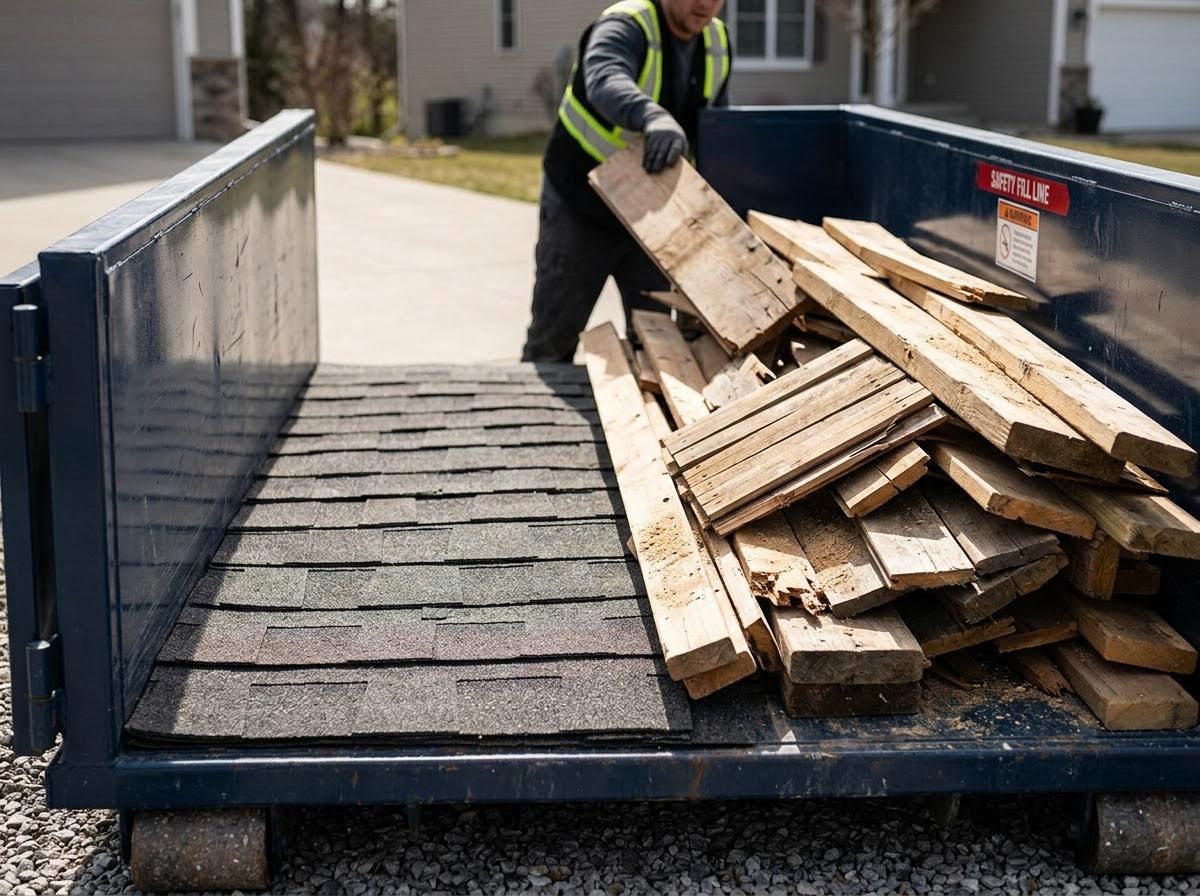
When dealing with heavy materials like shingles, the primary concern is weight distribution within the container. Always begin by placing heavier items at the bottom of the dumpster, spreading them evenly across the floor. Avoid piling all shingles in one corner, as this can create an uneven load that is hazardous during transportation. Layering shingles flat, rather than tossing them in haphazardly, can help distribute weight more effectively and prevent peaks that might exceed the dumpster's fill line. Remember, while a dumpster may look large, its weight capacity is often reached faster with dense materials, so mindful loading is key to avoiding overweight charges.
Efficiently Loading Wood Debris
For bulky wood debris, the challenge shifts from weight to maximizing volume. To make the most of your rental, it's highly recommended to break down larger pieces of wood whenever possible. Cut branches into manageable lengths, disassemble old fences or decks, and stack planks neatly. This not only maximizes the available space but also prevents pieces from shifting dangerously during transit. Interlocking smaller pieces can create a more stable load, reducing voids and ensuring you get the most out of your container before reaching the fill line.
General Safety and Compliance Guidelines
Beyond specific material considerations, general safety practices are paramount for any dumpster rental. Always adhere strictly to the designated fill line on the dumpster; overfilling can lead to fines and unsafe conditions during transport. Be mindful of prohibited items, as certain materials like hazardous waste or tires are not accepted in standard dumpsters. Ensure pathways around the dumpster are clear, and when loading, consider wearing appropriate safety gear such as gloves and sturdy footwear. A properly loaded dumpster is not just about efficiency; it's about the safety of everyone involved, from your team to the haulers.
Mastering the art of loading different debris types, from dense shingles to bulky wood, is key to a smooth and safe junk removal experience. By understanding the unique characteristics of each material and applying strategic loading techniques, you can ensure your project's waste is managed efficiently and compliantly. For expert guidance on selecting the right size and type of container for your specific project needs in the Tampa Bay area, explore the range of reliable dumpster rental options available to ensure your cleanup is a success with Patriot Dump and Haul.